
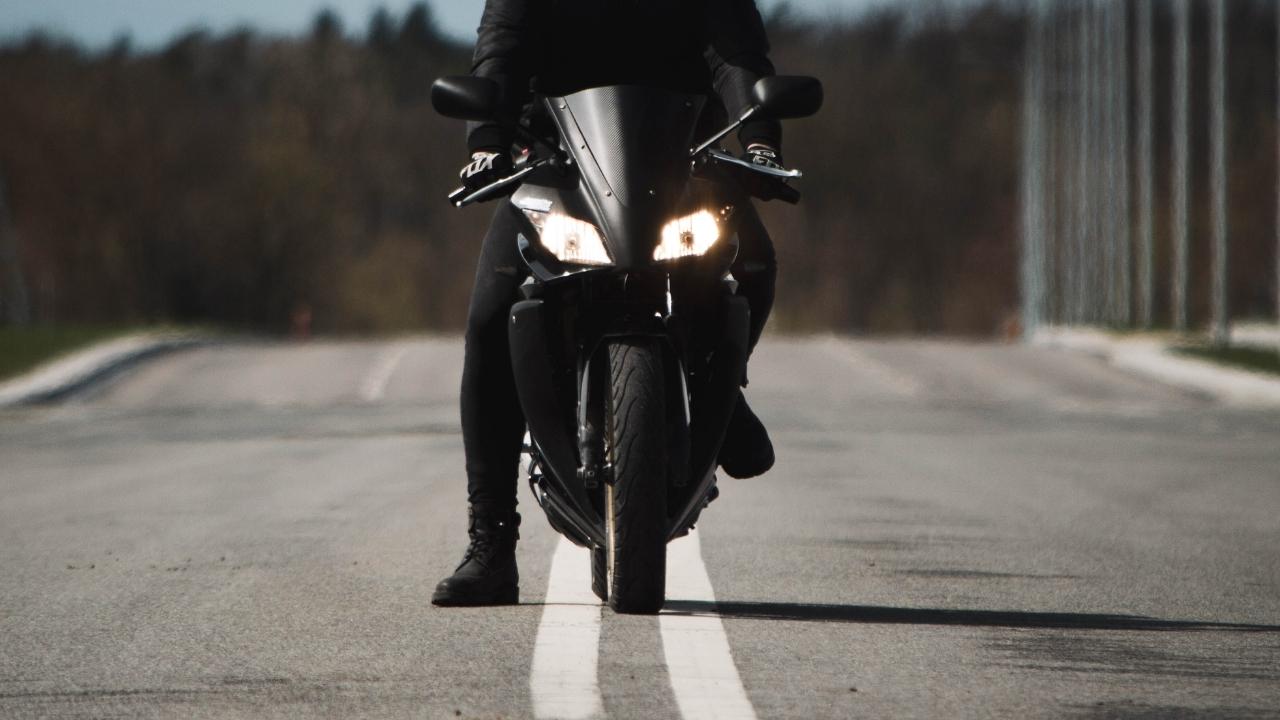
Lane splitting is dangerous for many reasons. Higher speeds and reduced visibility can increase the likelihood of serious injuries in a collision. To reduce these risks, lane splitting is illegal in most U.S. states, including Connecticut. Even so, some riders still use the maneuver to move through traffic or avoid congestion.
When an accident occurs, questions about fault and liability can quickly become complicated, especially if lane splitting is involved or alleged. These are the types of situations a Connecticut motorcycle accident lawyer will carefully evaluate when determining liability and how insurance companies may respond.
What Is Lane Splitting?
Lane splitting is the practice of motorcyclists riding between two lanes of traffic. Motorcycle riders often use lane splitting to bypass slower-moving vehicles by driving in between traffic lanes. By driving the motorcycle between lanes, bikers can bypass heavy traffic and traffic jams, but lane-splitting motorcyclists are likely to run afoul of lane usage and passing laws in many states.
The vast majority of states do not allow lane splitting, although some states are passing laws permitting a more restrictive option, called lane filtering. The maneuver is essentially lane splitting that is allowed in slow-moving or stationary traffic.
Every state’s vehicle code has different laws for lane splitting and passing, including applicable traffic patterns, speed limits, and road conditions. If you plan to travel in states with lane splitting or lane filtering laws, be sure to check lane usage requirements before you try it.
The Faster the Speed, the Greater the Risk
A UC Berkeley study indicated that motorcyclists who lane split at the speed of surrounding traffic do not have an increased chance of accidents. However, accident risk starts to climb once they go 10 miles per hour faster than the traffic flow.
Despite the risks, a sizeable percentage of motorcyclists still engage in lane splitting at high speeds. Studies show that crashes that occur at higher speeds are more likely to result in catastrophic and fatal injuries. Speeding drivers are less able to react to potential threats, and they are more likely to suffer severe injuries due to a higher force of impact.
The same UC Berkeley study found that, when accidents happen directly because of lane-splitting, the motorcyclist is more likely to rear-end another vehicle than to be rear-ended.
Other motorcycle accidents involving lane splitting include:
- Motorcyclist striking a side mirror
- Dooring, in which a motorist opens a door into the motorcycle’s path
- Motorist changing lanes into a motorcycle between two lanes
Lane-splitting riders were less likely to experience torso and head injuries, but that doesn’t make the practice any safer. In fact, should a motorcycle accident happen, you’re more likely to be thrown off your bike and in front of or behind the wheels of a vehicle in either adjacent lane.

More Traffic Can Lead to More Accidents Involving Lane Splitting
Lane-splitting motorcycle collisions tend to increase during commute times. As we’ve pointed out before, you also need to consider the perspective of other drivers on the road. Motorcyclists performing unexpected maneuvers can catch other drivers off guard, resulting in more accidents and injured riders.
For one, another car isn’t expecting to see a motorcycle driving between two lanes of traffic during rush hour, even if everything has come to a complete stop.
Second, even if you believe you’re taking precautions, you may still end up in a driver’s blind spot. As a result, should that driver go to change lanes, you’ll end up colliding with the back of their car.
In short, even if you find yourself driving in another state, lane-splitting is an extremely risky and often illegal maneuver that can seriously compromise your safety. Saving a few minutes on the road isn’t worth colliding with a car or falling off your bike.
Legal Implications of Motorcycle Lane Splitting
A personal injury claim relies on determining who was responsible and each party’s level of liability. In Connecticut, for example, fault is determined in part by whether the motorcyclist followed traffic laws and how responsibility is shared between those involved. An accident victim cannot be more than 51 percent at fault and still seek compensation, per CT Gen. Stat. § 52-572.
Motorcyclists who split lanes may carry a higher percentage of fault in motorcycle accident claims. Even in states where lane filtering and splitting are legal, comparative negligence and modified comparative negligence laws can reduce your ability to recover compensation.
When a rider takes their motorcycle between lanes, they are making a decision that could be considered reckless or careless by the law. Even if the rider is not at fault for the collision, an insurance company or judge may consider the context of lane splitting in their final decision. Many insurers and courts are quick to assign blame to motorcyclists, even when there are no traffic violations.
Motorcyclists are often subject to unfair assumptions after a crash, and drivers or insurers may quickly claim lane splitting was involved—even when the facts are unclear or disputed. Because of this, a thorough investigation is critical to determine what actually happened and whether the motorcyclist’s actions contributed to the accident.


When Should You Speak With a Motorcycle Accident Attorney?
After a motorcycle accident, questions about fault can quickly become complicated, especially if lane splitting is involved or alleged. How responsibility is assigned can directly impact your ability to recover compensation for medical expenses, lost income, and other losses.
Speaking with a personal injury attorney early on can help you better understand your situation and avoid missteps that could affect your claim. An attorney can:
- Provide a comprehensive analysis of your accident
- Determine accident liability
- Protect your right to fair compensation
- File an insurance claim or personal injury lawsuit on your behalf
- Defend your rights in negotiations and at trial
Getting informed early can help you make clearer decisions as your case moves forward.
What to Do After a Motorcycle Lane Splitting Accident
If you suffered injuries in an accident involving motorcycle lane splitting, your health and safety are the foremost concern.
First, pull safely out of traffic and call 911 for emergency assistance. Then:
- Seek medical care as soon as possible, even if you feel fine. Many injuries are masked by adrenaline until hours or days later
- If your injuries allow, document the accident scene, taking special care to photograph skid marks, final vehicle resting places, damage to the vehicles, and your injuries.
- Take down the names and contact details of those involved in the accident, as well as any witnesses who saw what happened.
- Attend all follow-up and rehabilitation appointments, and keep copies of all medical records and documentation.
- Avoid claiming fault, even if you were lane splitting. Seemingly simple statements like “I’m sorry” can imply you were responsible for the collision and compromise your case.
Additionally, speak to a motorcycle accident attorney in Connecticut as soon as possible. They can guide you through the legal process and help you avoid missteps that could reduce your chance for compensation.
Get a Free Consultation With a Motorcycle Accident Law Firm Today
If you’ve been injured in a motorcycle accident, Trantolo & Trantolo is ready to help you pursue the compensation you deserve. As riders ourselves, we understand that motorcycle cases come with unique challenges, including serious injuries and unfair assumptions about fault. Our Connecticut motorcycle accident lawyers understand these realities firsthand, and we use that insight to build stronger claims.
Contact our team to explore your next steps. We assist injured riders across Connecticut, Long Island, and Massachusetts.


