
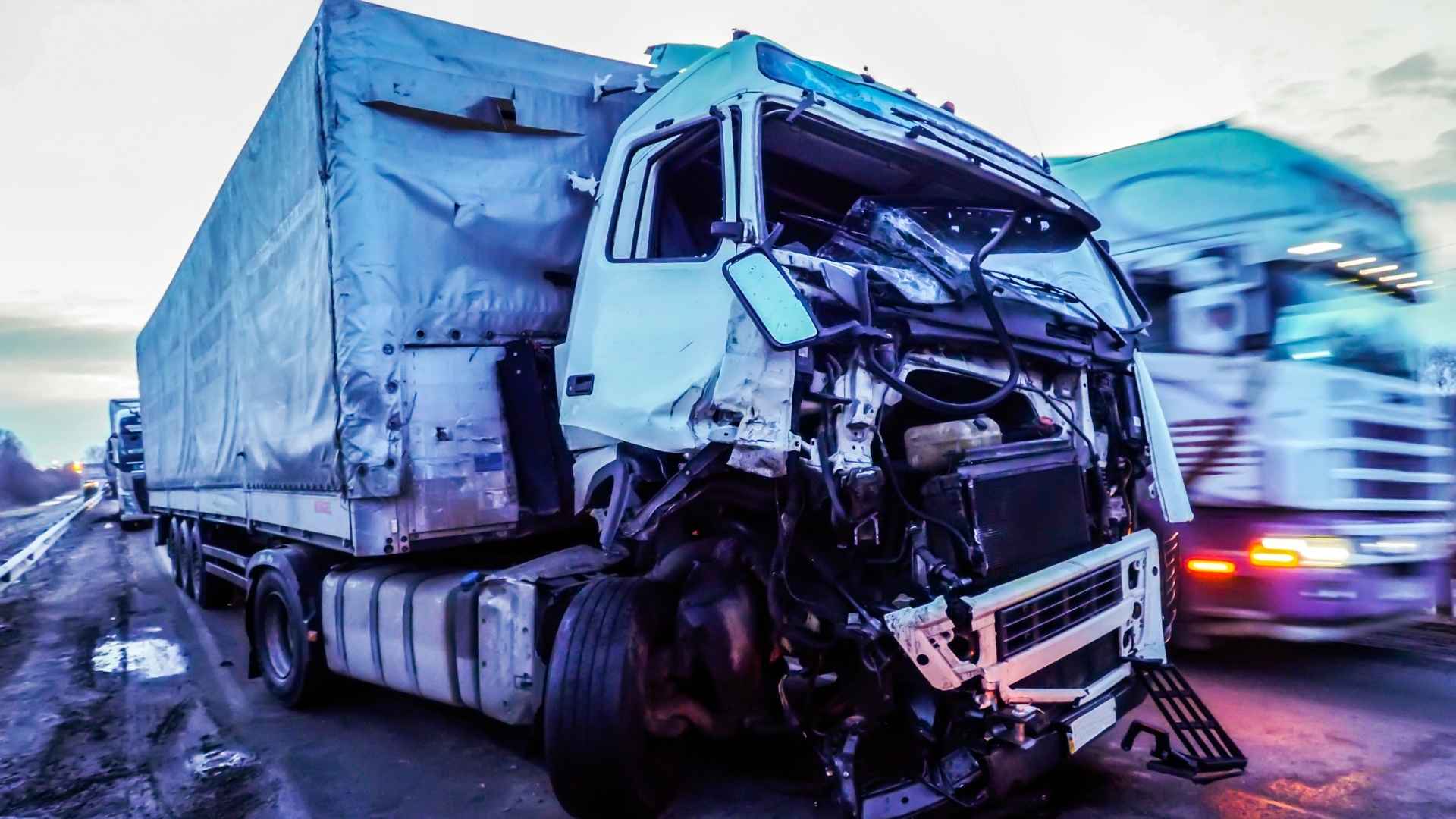
A truck accident can happen in an instant, leaving you shaken and unsure of what to do next. The moments after a crash are often chaotic, but the steps you take can make a real difference for your safety, health, and ability to recover compensation later. Because commercial trucks are so much heavier than passenger vehicles, these collisions often lead to serious injuries and major damage.
If you’re able, it’s important to stay calm, check for injuries, and get help right away. Taking the right actions at the scene can help you focus on recovery and put you in a stronger position if you need to pursue a claim for your losses. You can also call a Connecticut truck accident lawyer to make sure your right to seek damages is protected.
Prioritize Safety and Call for Help
Your first priority after a truck accident is to stay safe and prevent further harm. If your vehicle can be moved and it’s safe to do so, pull over to the shoulder or another secure area away from traffic. Turn on your hazard lights to alert other drivers, and if you have road flares or reflective triangles, place them behind your vehicle when it’s safe to exit.
Call 911 right away, even if the crash seems minor. Large trucks can cause hidden damage to your vehicle and serious internal injuries that may not be obvious at first. When speaking with the dispatcher, report the number of vehicles involved, any known injuries, and whether there are hazards like fuel leaks or debris on the road. Emergency responders will make the scene safe, provide medical help, and begin the official accident documentation that can support your claim later.

Seek Medical Attention
After a truck accident, getting checked by medical professionals is critical — even if you feel okay at first. The force of a crash with a large commercial vehicle can cause hidden injuries such as internal bleeding, concussions, or soft tissue damage that might not show symptoms right away. Shock and adrenaline can also mask pain, making injuries seem less serious than they are.
If emergency responders arrive, let them examine you at the scene and follow their advice about further treatment. If you don’t go to the hospital immediately, schedule a medical evaluation as soon as possible afterward. Detailed records of your injuries and treatment can protect both your health and your ability to recover compensation later. Insurance companies often look for gaps in care to minimize or deny claims, so prompt medical attention helps document the connection between the crash and your injuries.
Call the Police and Obtain an Official Report
Always contact law enforcement after a truck accident, no matter how minor the damage may seem. When officers arrive, they’ll secure the scene, direct traffic if needed, and create an official accident report. This report is an important piece of evidence because it documents details such as the location, time, weather, vehicle positions, and any immediate observations about possible violations.
Give the police clear, factual information about what happened, but avoid guessing or assigning blame. It’s okay to say you’re unsure about certain details rather than speculate. Ask the responding officer for their name, badge number, and the accident report number so you can request a copy later. The report can help establish fault, support your insurance claim, and serve as key evidence if you pursue legal action against the trucking company or other responsible parties.
Gather Evidence of the Truck Crash
If you’re able and it’s safe to do so, begin documenting the scene before vehicles are moved or debris is cleared. Take clear photos or videos of the crash from different angles — include damage to your car and the truck, license plates, skid marks, cargo spills, and the surrounding road conditions. Capture details like traffic lights, signs, and weather that could have played a role in the crash.
It’s also helpful to photograph your injuries as soon as possible. Visible bruising, cuts, or swelling can fade quickly, and early images help show the impact of the collision. If there are witnesses nearby, ask for their names and contact information. Their statements may be valuable later when proving how the crash happened.
The more evidence you collect at the scene, the stronger your position will be when dealing with insurance companies or pursuing a legal claim for compensation.


Collect Information From All Parties
After a truck accident, gather as much identifying and insurance information as you safely can. Start with the truck driver — ask for their full name, phone number, commercial driver’s license (CDL) number, and the name of the trucking company they work for. Write down the company’s USDOT number or other markings displayed on the truck, as these can help identify the carrier and its insurance coverage later.
Exchange insurance information with the driver, including the policy number and insurer name. If other passenger vehicles were involved, collect the same details from those drivers too. Be sure to note the make, model, color, and license plate of every vehicle.
Witnesses can also be crucial to proving what happened. If anyone stopped to help or saw the collision, ask politely for their names and contact information. Independent accounts often help strengthen your version of events.
Be Careful What You Say
In the confusion after a truck accident, it’s natural to want to apologize or discuss what happened — but it’s best to keep your comments factual and brief. Avoid admitting fault or speculating about the cause of the crash, even casually. Simple phrases like “I’m sorry” can be misinterpreted as accepting responsibility and used against you later by insurance companies or the trucking company’s lawyers.
When speaking with police, stick to what you directly observed: where you were, what you saw, and how you felt physically. Do not guess about speed, distances, or mechanical issues. If the trucking company’s representatives or insurance adjusters show up, do not give recorded statements, sign documents, or discuss settlement offers before speaking to an attorney. Protecting what you say helps keep your legal options open and prevents information from being taken out of context.
Get the Legal Support You Need After a Truck Crash
The steps you take after a truck accident can make a lasting difference in your recovery and your ability to hold the right parties accountable. However, we know that dealing with trucking companies and their insurers can be overwhelming, especially while you’re trying to heal.
You don’t have to handle it alone. The truck accident attorneys at Trantolo & Trantolo know how to investigate truck crashes, secure critical evidence before it’s lost, and fight for the compensation you deserve. We serve accident victims in Connecticut, Long Island and Massachusetts, so do not hesitate to call for a free consultation.


