
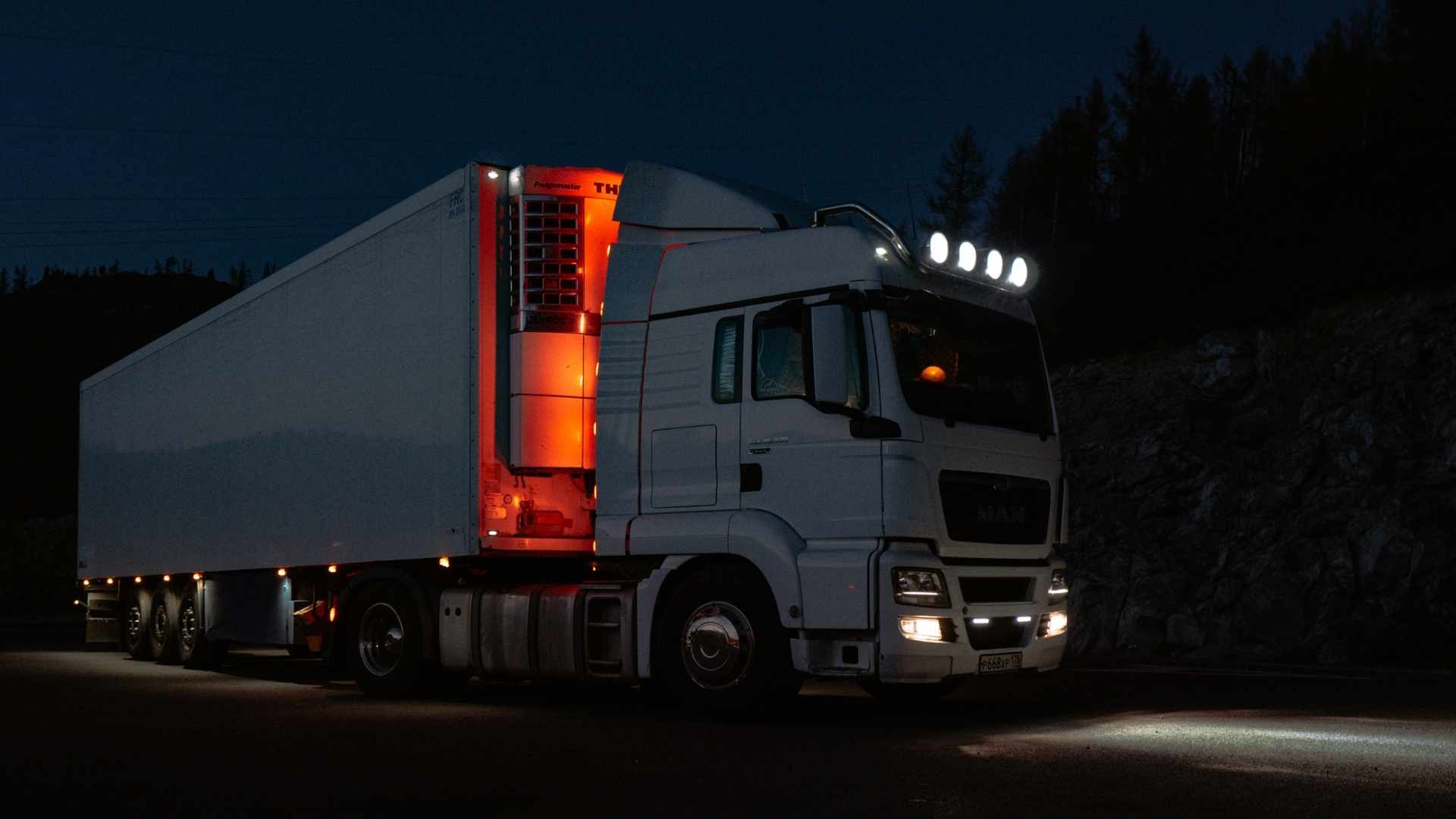
Both truck and car accidents can cause serious harm, but collisions involving large commercial trucks are far more likely to result in catastrophic or fatal injuries. Because of their massive size and weight, trucks can cause extensive damage even at lower speeds. These crashes also tend to involve more complex factors—such as federal safety regulations, multiple liable parties, and higher insurance limits—that can affect how victims pursue compensation.
Understanding these differences can be critical if you’re seeking recovery after a collision. A Connecticut truck accident lawyer can help you navigate the added complexities and ensure your rights are protected throughout the process.
Trucks and Cars Have Different Vehicle Sizes and Weights
The most significant difference between truck and car accidents is vehicle mass. A fully loaded semi-truck can weigh up to 30 times more than a passenger car, making it far more destructive in a collision. Because trucks sit higher off the ground, they can override or underride smaller vehicles, crushing the car and its occupants on impact.
While there are fewer truck accidents than car crashes, the effects of a trucking accident are often more severe. Truck accident victims are more likely to suffer catastrophic injuries, including:
- Spinal cord injury and paralysis
- Loss of limb and amputation
- Traumatic brain injury (TBI)
- Compound bone fractures
Fatalities are More Likely in Large Truck Collisions
Truck accident victims are also more likely to suffer fatal injuries due to the extreme damage caused by a semi-truck. In 2023, approximately 5,000 truck accident victims across the country passed away from their injuries, and about 70% of injuries and deaths in truck collisions are occupants in other vehicles.

Different Factors Contribute to Truck and Car Accidents
The causes of truck accidents and car crashes are usually preventable. While negligence is often the cause, contributing factors between car collisions and semi-truck crashes often differ.
For example, some of the most common causes of car accidents include:
- Distracted driving, including texting or talking on the phone while driving
- Speeding or driving aggressively
- Driving under the influence of drugs or alcohol
- Disobeying traffic signals
Truck drivers can make many of the same mistakes, but additional factors unique to the trucking industry can also cause or contribute to collisions, including:
- Failure to check blind spots
- Fatigued driving due to exceeding hours of service regulations
- Overloaded/overweight vehicle loading
- Failure of brakes and other systems
- Insufficient licensing or training
Because truck accidents often involve both human error and commercial negligence, determining fault can be more complex than in a typical car crash.
Truck Accident Evidence Can Differ from Proof for a Car Collision Claim
To recover compensation after a crash, you must prove that another party’s negligence caused your injuries. While that principle is the same for any motor vehicle accident, the types of evidence used to establish fault often differ between car and truck cases.
Evidence you might use in a car accident claim may include:
- Witness statements
- Photos of the accident scene
- CCTV or traffic camera footage
- Police reports
For truck accidents, proving fault is often more complicated and may require additional evidence, such as:
- Driver’s logs and delivery schedules
- Truck maintenance and repair records
- Truck dashcam and side camera footage
- Driver training and licensing information
- Commercial operator’s driving records


Damages From Truck Accidents and Car Collisions Can Differ
While both car and truck accidents can cause serious injuries, crashes involving commercial trucks often lead to far greater devastation. The difference isn’t in the types of damages victims can pursue, but in the degree of loss these crashes create. When an 80,000-pound tractor-trailer collides with a smaller vehicle, the force of impact can change a person’s life in an instant.
Victims of either type of accident may be entitled to compensation for:
- Emergency medical care
- Rehabilitation and physical therapy
- Lost income during recovery
- Property damage
- Pain and suffering
However, the severity of injuries in a truck accident can greatly increase the financial and personal impact, leading to additional long-term losses such as:
- Ongoing medical and surgical treatment
- In-home care or assistive devices
- Loss of future earning capacity
- Permanent disability or disfigurement
- Diminished quality of life
- Emotional trauma or mental anguish
- Wrongful death damages
Whether a collision involves a passenger car or a large truck, the aftermath can be complex and deeply disruptive. Because truck accident cases often involve multiple parties and commercial insurers, consulting a lawyer experienced in these claims can help you understand your rights and navigate the process more confidently.
Fault and Liability Determination Differ Between Car and Truck Accidents
In most car accidents, one or both drivers are typically responsible, and victims can pursue compensation through an insurance claim or personal injury lawsuit. Depending on state liability laws, an injured person must meet certain thresholds to recover damages.
Liability in truck accidents, however, is often more complex. Responsibility may be shared among several parties, including the truck driver, the trucking company, or others involved in the vehicle’s operation and maintenance. For example, a trucker may carry insurance for the cab, while a shipping company insures the trailer and cargo.
Other parties that could be liable for a truck crash include:
- A manufacturer of a defective part that contributed to the collision
- A cargo-loading company responsible for overweight or unsecured freight
- Another motorist whose actions helped cause the accident
Because these claims can involve multiple insurers and overlapping policies, determining fault in a truck accident requires careful investigation and documentation.
Insurance Claim Limits and Processes Vary for Cars and Commercial Trucks
Filing an insurance claim after a car accident is often straightforward, as most cases involve only the drivers and their personal auto insurers. Coverage limits for personal vehicles are typically much lower than those required for commercial trucks. Even with optional higher policies, standard car insurance provides only a fraction of the protection carried by trucking companies.
Commercial trucks are subject to strict federal and state insurance regulations because of their size and the potential for catastrophic harm. Freight carriers often carry hundreds of thousands—or even millions—of dollars in liability coverage to meet these safety requirements.
Because multiple parties and insurers may be involved in a single trucking claim, the process can be far more complex. Insurance companies frequently dispute liability or attempt to reduce payouts, making it important for victims to understand how coverage applies before pursuing compensation.
Reach Out to a Truck Accident Lawyer for Help With Your Accident Claim
If you or someone you love was injured in a truck accident, understanding your legal options can make a difficult time more manageable. A lawyer familiar with complex motor vehicle cases can help identify who is responsible and guide you through the claims process.
For more than 85 years, Trantolo & Trantolo, LLC has stood up for injury victims across Connecticut, Long Island, and Massachusetts. Our firm is dedicated to holding negligent parties accountable and helping clients move forward after serious accidents.
Contact us today for a free consultation. We handle cases on a contingency fee basis, meaning you pay no fees unless we recover compensation for you.


